
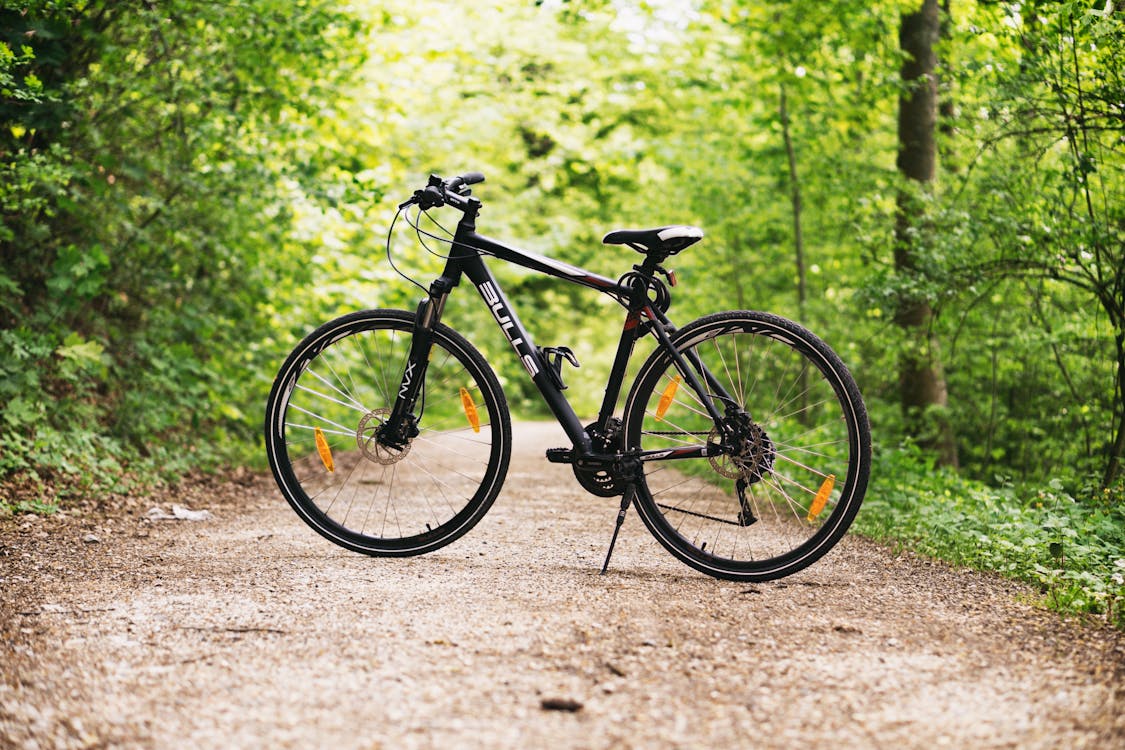
Key takeaway: most adult riders spend about $500 to $1,500 on a new bike that fits their riding, and $150 to $400 more on the gear and setup that make it usable in the first year. Prices checked 2026-11-28. These are typical published price ranges across the general market, not a promise of what any one bike costs today.
Affiliate disclosure: Your Bike Guide may earn a commission if you buy through links to retailers on this site, at no extra cost to you. This guide links only to our own category pages and research page, and the price ranges below are general guidance, not data from a single store.
How much does a bike cost, by type?
The type of bike moves the price more than anything else. Here is what each kind typically costs new, and what extra money buys you. Used bikes and last-season models often sit below these ranges.
City and hybrid bikes: about $300 to $1,000
Entry bikes at $300 to $500 get you an aluminum or steel frame, basic gears and rim or mechanical disc brakes. Between $600 and $1,000 you typically see lighter frames, better shifting, hydraulic disc brakes and mounts for fenders and racks. Best for commuting and casual rides. Browse urban bikes and gear.
Road bikes: about $800 to $3,000+
Aluminum road bikes start around $800 to $1,200 with entry-level groupsets. Around $1,500 to $2,500 riders usually find better groupsets, lighter wheels and sometimes carbon forks. Full carbon frames with electronic shifting run higher still. Best for fitness, group rides and distance. See road bikes and parts.
Gravel bikes: about $1,000 to $3,500
Gravel sits between road and mountain. Expect $1,000 to $1,800 for aluminum frames with disc brakes and wide tire clearance, and $2,000 to $3,500 for carbon frames, 1x drivetrains and better components. Our gravel bikes under $3,000 guide compares picks at several price points. Also see gravel bikes and parts.
Mountain bikes: about $600 to $4,000+
A hardtail at $600 to $1,200 is a solid way in. Full suspension generally starts near $1,500 to $2,000 for something worth riding on real trails, and the stoke-per-dollar curve flattens above roughly $3,500 to $4,000 for most riders. Spend where it counts: fork, brakes and tires. Browse mountain bikes and parts.
E-bikes: about $1,000 to $4,000+
Budget e-bikes start near $1,000 to $1,500. Mid-range models at $1,500 to $3,000 usually add stronger motors, bigger batteries and better brakes. Premium e-mountain and e-road bikes reach well beyond that. Battery size and motor brand are the biggest cost drivers, and the battery is the most expensive part to replace later.
Kids' bikes: about $150 to $600
Small balance and 12 to 16 inch bikes run roughly $100 to $300. 20 and 24 inch bikes with gears and better components run $300 to $600. Weight matters a lot for small riders, so lighter bikes cost more. Our kid's bike guide covers sizing and what lasts.
What you get as you spend more
- Lower weight: better frame materials and parts cut weight, which you feel on climbs.
- Better shifting and brakes: higher groupsets shift more crisply and wear more slowly.
- Better fit options: more frame sizes and components in sizes that suit you.
- Diminishing returns: the jump from $400 to $1,000 is far bigger than from $3,000 to $4,000.
First-year costs beyond the bike
Budget for these on top of the sticker price. Ranges are general market guidance.
| Item | Typical cost |
|---|---|
| Helmet | $40 to $150 |
| Lock (for commuters) | $40 to $120 |
| Front and rear lights | $30 to $120 |
| Pump, spare tube, multitool | $40 to $80 |
| Pedals and shoes (if clipless) | $100 to $250 |
| Tune-up and basic maintenance for the year | $100 to $250 |
Shop accessories, tires and wheels for the add-ons. For commuters, our commuter lights guide helps with the visibility part of the budget.
How to spend less without regretting it
- Buy the right type first. A $700 bike that suits your riding beats a $1,500 one that does not.
- Time the purchase. Bike shops typically clear last year's models in fall and winter. See when cycling sales happen, then use a Buy-or-Wait check on the price history before you commit.
- Check current listings. Browse our deals page and compare the listed price against the list price. Listings change, so confirm the price at the retailer.
- See our research. Our cycling price report looks at pricing across categories.
FAQ
How much should a beginner spend on a bike?
Most beginners do well in the $500 to $1,000 range for a hybrid, entry road or hardtail mountain bike. Add $150 to $300 for a helmet, lock and lights.
What is the average cost of a bicycle?
There is no single average because types vary so much. Hybrids and kids' bikes sit at the low end, while carbon road and full-suspension mountain bikes reach several thousand dollars. A budget of $500 to $1,500 covers most adult riders.
Is a $300 bike worth it?
It can be for light, occasional riding. Expect heavier parts and more frequent adjustments, so set aside a little for a tune-up.
How much does bike maintenance cost per year?
Many riders spend roughly $100 to $250 a year on a tune-up, chain, brake pads and tires, more if they ride a lot or in mud and rain.
Are e-bikes worth the extra cost?
If hills, distance or hauling cargo stop you from riding, often yes. Check battery capacity and warranty, since replacement batteries are costly.