Cycling is one of the most accessible and rewarding forms of exercise. Whether you're looking to get fit, commute to work, or explore your area, this guide will help you start your cycling journey with confidence.
Choosing Your First Bike
Don't overthink your first bike—focus on getting something that fits and gets you riding:
Bike Types for Beginners
- Hybrid bikes - Upright position, flat bars, comfortable for casual riding and commuting
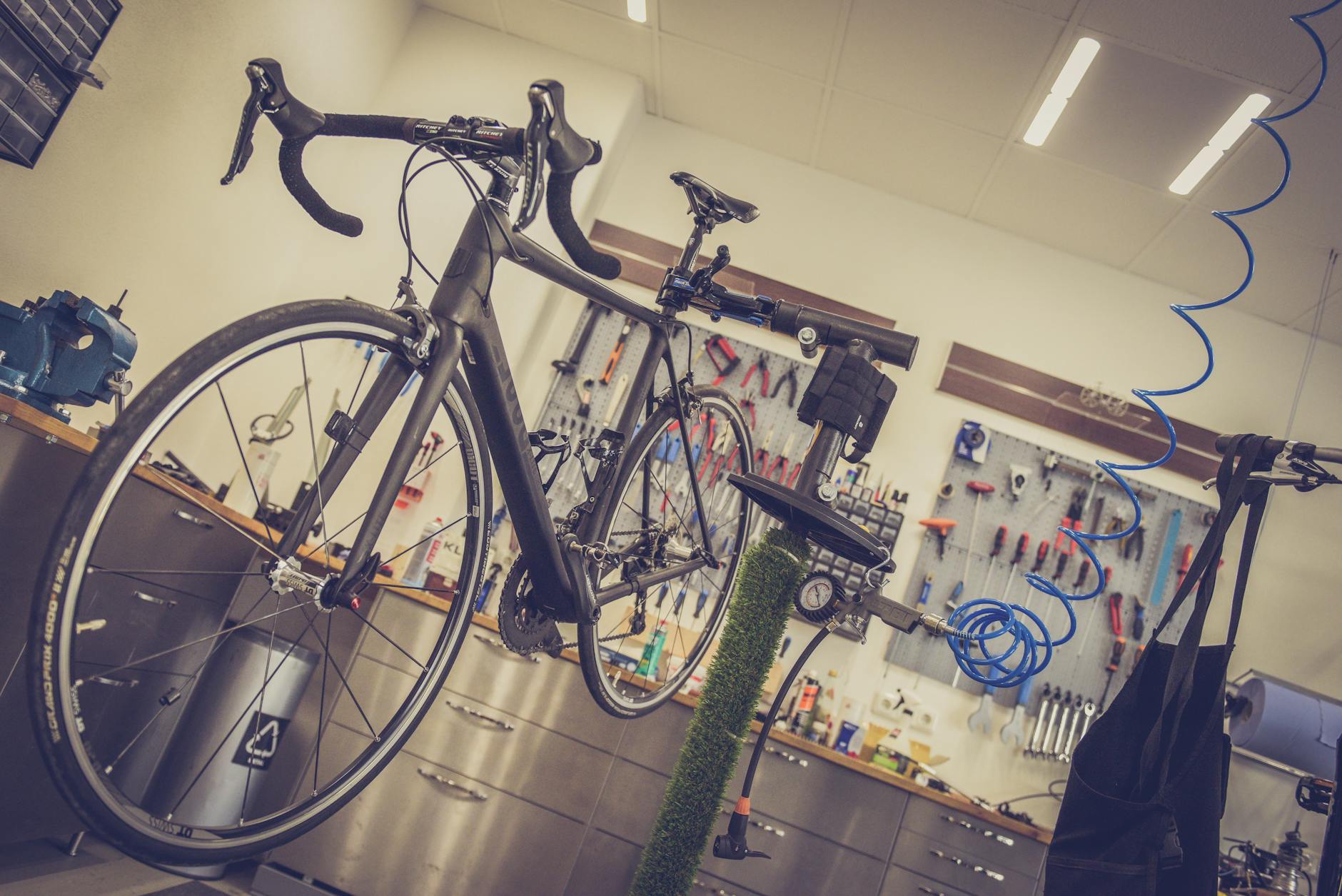
- Road bikes - Drop handlebars, efficient for fitness and longer rides
- Mountain bikes - Suspension, wide tires, great for trails and rough roads
Getting the Right Size
Size matters more than components. A properly sized bike is comfortable; the wrong size causes pain and discouragement. Visit a local bike shop for fitting help, or use manufacturer size charts based on your height.
Essential Gear for Starting Out
You don't need much to start, but these items are essential:
Safety First
- Helmet - Non-negotiable. Fit properly with straps snug
- Lights - Front white, rear red—even for daytime visibility
- Bell - Alert pedestrians on shared paths
Basic Tools
- Pump - Floor pump for home, mini pump for rides
- Spare tube - Carry one on every ride
- Tire levers - For changing flats
- Multi-tool - Basic adjustments on the go
Building Confidence
Start Small
Begin with short, flat rides in low-traffic areas. Parking lots and quiet residential streets are perfect for building skills. Gradually increase distance and introduce hills as fitness improves.
Master the Basics
- Braking - Use both brakes together, front provides most stopping power
- Shifting - Shift before you need to, especially before hills
- Looking back - Practice checking behind without swerving
- Signaling - Hand signals communicate your intentions
Developing Good Habits
Pre-Ride Check
Before every ride, check:
- Tire pressure (feels firm, check actual PSI weekly)
- Brakes work properly
- Chain is lubricated
- Quick releases are tight
Riding in Traffic
- Ride predictably—no sudden moves
- Take the lane when necessary for safety
- Make eye contact with drivers
- Assume drivers don't see you
- Use bike lanes where available
Building Fitness
Consistency Over Intensity
Ride regularly at a comfortable pace rather than occasional hard efforts. Three 30-minute rides per week builds more fitness than one exhausting weekend ride.
Progressive Overload
Increase weekly riding by no more than 10% to avoid overuse injuries. Add distance before adding intensity.
Finding Your Cycling Community
- Local bike shops - Often host group rides
- Cycling clubs - Organized rides at various levels
- Social rides - No-drop rides for all abilities
- Online communities - Strava, local Facebook groups
Common Beginner Mistakes
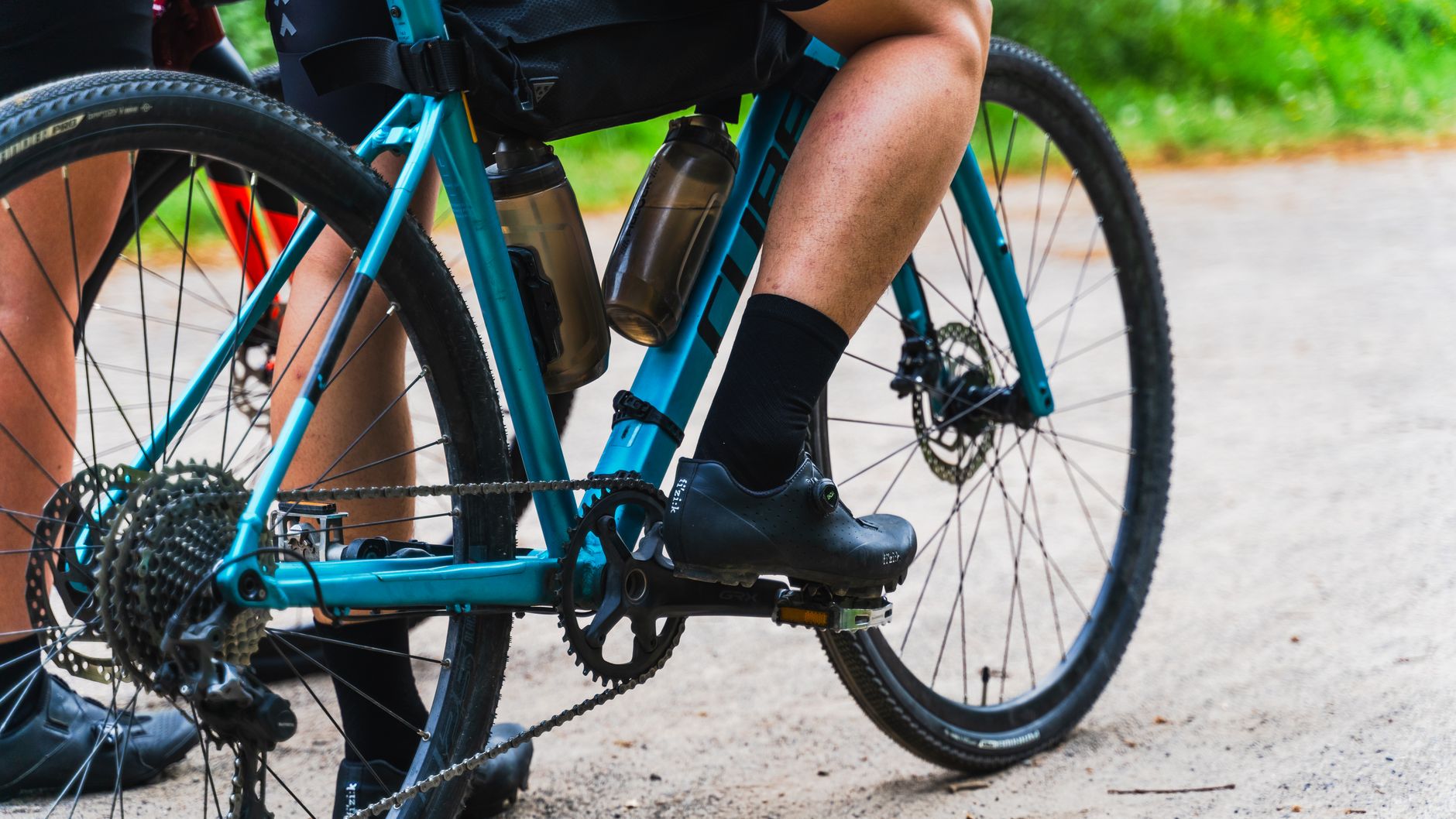
- Saddle too low - Legs should nearly extend at bottom of pedal stroke
- Wrong gear - Use easier gears; spinning is more efficient than grinding
- Gripping too tight - Relaxed grip reduces fatigue
- Skipping rest - Recovery is when fitness builds