
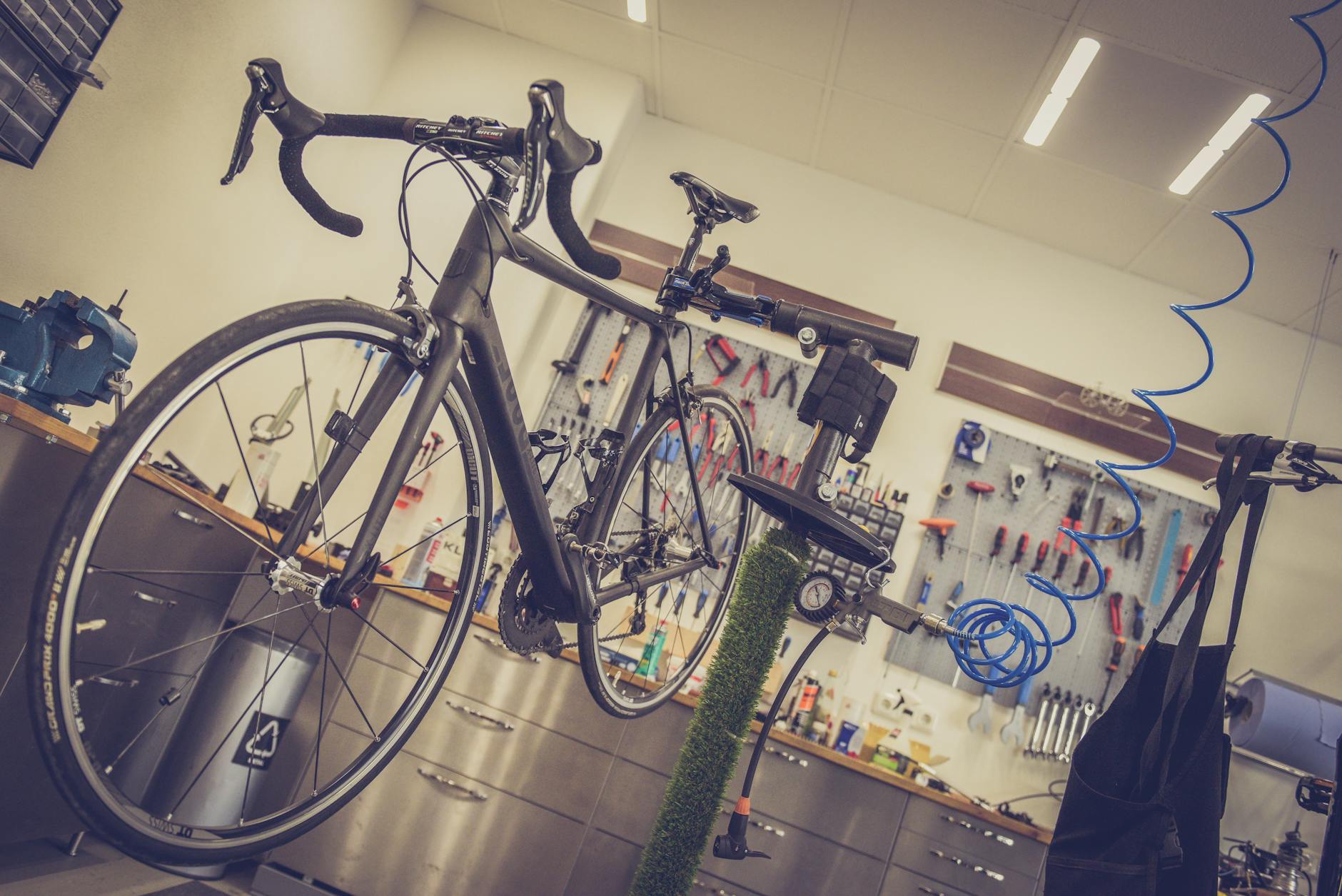
Regular maintenance keeps your bike safe, efficient, and extends its lifespan. Most basic tasks require minimal tools and just a few minutes. Here's what every cyclist should know how to do.
The Pre-Ride Check (ABC Quick Check)
Before every ride, quickly check:
A - Air
Check tire pressure by feel (firm, not squishy) and visually inspect for damage. Check actual PSI weekly with a gauge—proper pressure is printed on tire sidewall.
B - Brakes
Squeeze each brake lever. Brakes should engage before lever hits handlebar. Check pad wear—replace when worn to indicator line.
C - Chain
Clean chain should run quietly. If it's squeaking or looks dry, it needs lube. Check for stiff links by backpedaling slowly.
Quick Releases
Ensure wheel quick releases are tight. Proper tension requires firm hand pressure to close. Spin wheels to check they're true and not rubbing brakes.
Tire Care
Proper Inflation
Correct pressure improves efficiency, comfort, and flat resistance:
- Road bikes - 80-100 PSI (lower for heavier riders, rough roads)
- Mountain bikes - 25-35 PSI (varies by tire width, terrain)
- Hybrids - 50-70 PSI
Changing a Flat
- Remove wheel from bike
- Deflate tube completely
- Insert tire lever under bead, hook to spoke
- Use second lever to unseat more bead
- Remove tube, keeping tire on rim
- Check tire inside for debris that caused flat
- Slightly inflate new tube (gives it shape)
- Insert valve through rim hole, tuck tube into tire
- Work tire bead back onto rim with hands (avoid levers if possible)
- Check tube isn't pinched between tire and rim
- Inflate to proper pressure
Chain Maintenance
Cleaning
A clean chain shifts better and lasts longer:
- Apply degreaser to chain while backpedaling
- Scrub with brush, focusing on rollers
- Wipe clean with rag
- Let dry completely before lubricating
Lubrication
- Apply one drop per roller while slowly backpedaling
- Let soak for a few minutes
- Wipe off excess—lube inside rollers, not outside where it attracts dirt
- Use wet lube for rainy conditions, dry lube for dry weather
When to Replace
Chains stretch over time. A chain checker tool shows when replacement is needed (usually every 2,000-3,000 miles). Replacing early saves cassette and chainrings from accelerated wear.
Brake Adjustment
Rim Brakes
- Pad alignment - Pads should hit rim flat, not rub tire
- Cable tension - Adjust barrel adjuster for proper lever feel
- Pad wear - Replace when grooves are gone
Disc Brakes
- Pad check - Remove wheel to inspect pad thickness
- Rotor rub - Spin wheel, listen for scraping; caliper may need recentering
- Bleeding - If lever feels spongy, brakes need bleeding (usually shop job)
Shifting Adjustment
Most shifting issues are cable tension problems:
- Chain won't shift to larger cog - Add tension (turn barrel adjuster counter-clockwise)
- Chain won't shift to smaller cog - Reduce tension (turn clockwise)
- Quarter-turn adjustments - Make small changes, test, repeat
Tools Every Cyclist Needs
- Floor pump with gauge
- Tire levers (2-3)
- Multi-tool with Allen keys and screwdriver
- Chain lube (wet and/or dry)
- Degreaser
- Cleaning rags
- Chain checker tool
- Spare tubes
