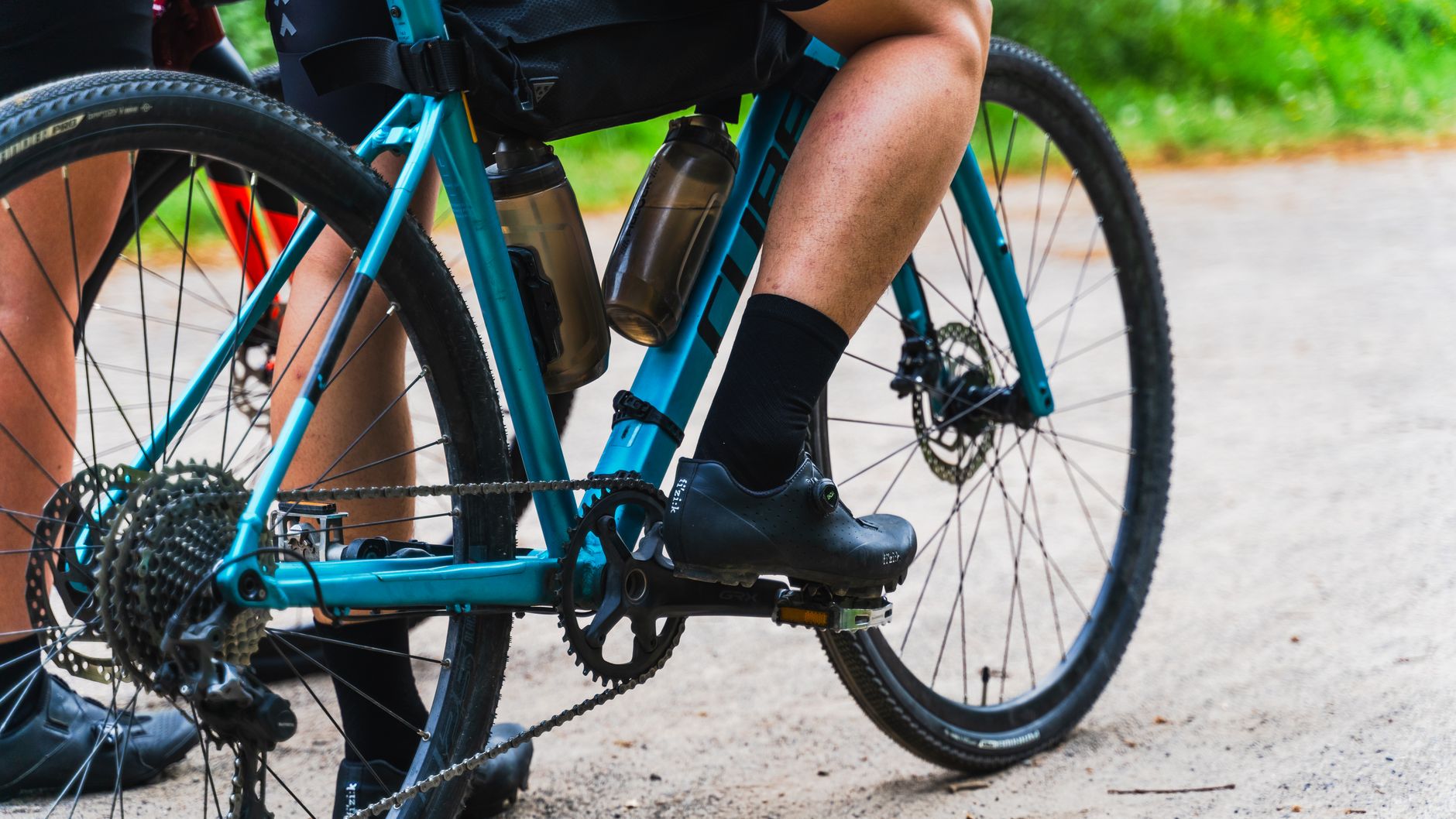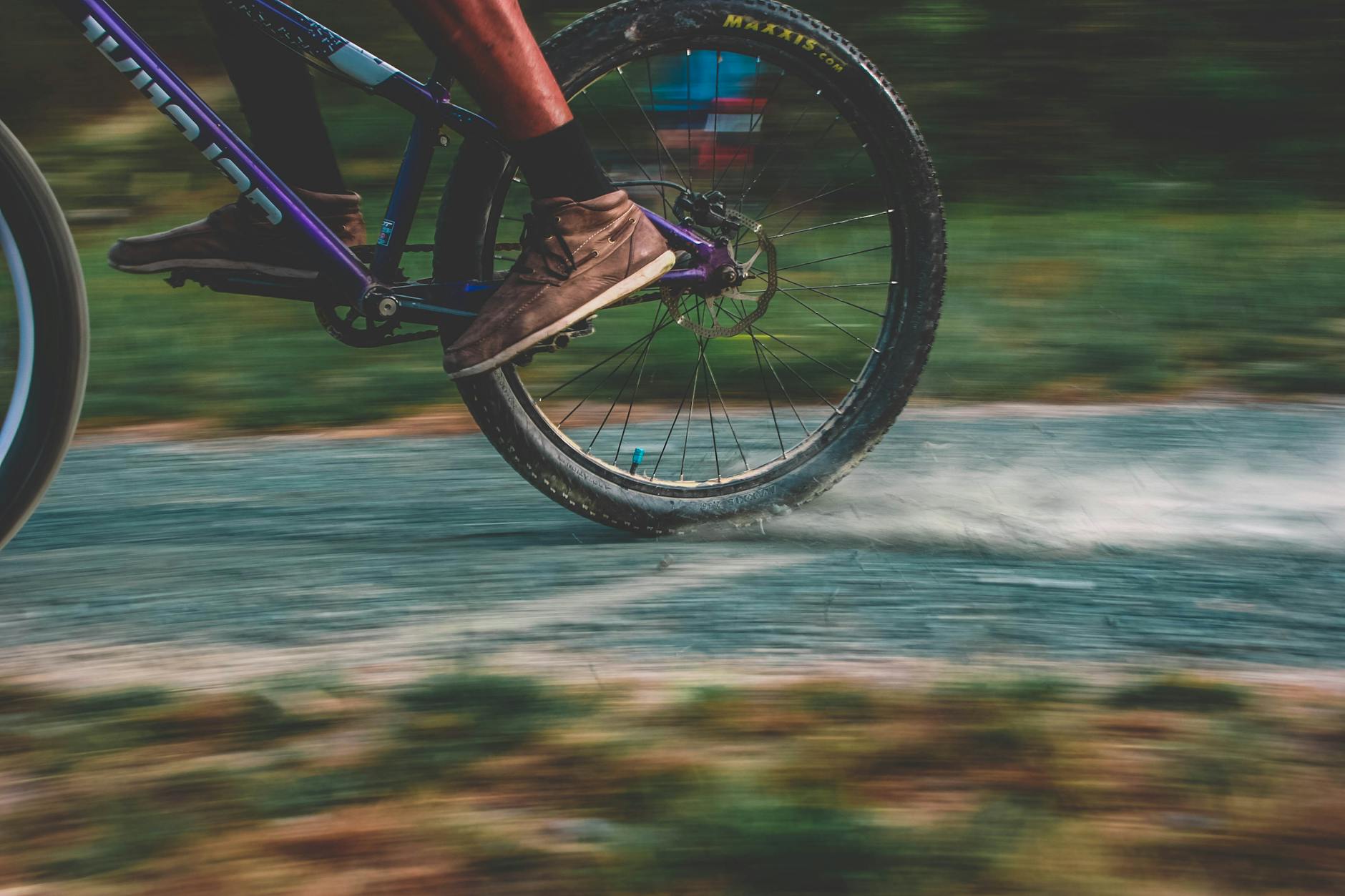
The lines between bike categories are blurring, and gravel bikes have emerged as a versatile option that overlaps with mountain bikes in many ways. But which one is right for you? Let's break down the key differences to help you decide.
Terrain and Intended Use
The biggest differentiator is where you plan to ride:
Mountain Bikes Excel At:
- Technical singletrack with rocks, roots, and drops
- Steep descents and challenging climbs
- Bike parks and jump lines
- Rough terrain requiring suspension
Gravel Bikes Shine On:
- Unpaved roads and fire roads
- Mixed-surface riding (pavement to gravel)
- Long-distance adventure riding
- Bikepacking and touring
- Smooth to moderately rough trails
Key Component Differences
Geometry
Mountain bikes have slack head angles (64-67°) for stability on descents. Gravel bikes are more upright (70-72°) like road bikes, prioritizing efficiency over technical handling. This makes gravel bikes faster on flat ground but less capable in gnarly terrain.
Suspension
Modern mountain bikes feature 100-170mm of suspension travel, absorbing impacts and maintaining traction on rough terrain. Gravel bikes typically have rigid forks, though some newer models offer 20-40mm of travel for added comfort.
Tires
Mountain bike tires run 2.2-2.6" wide with aggressive knobs for grip. Gravel tires are typically 35-50mm with faster-rolling tread patterns. Wider gravel tires (50mm+) can handle surprisingly rough terrain.
Handlebars
Mountain bikes use flat or riser bars for leverage and control. Gravel bikes use drop bars, offering multiple hand positions for long days in the saddle and better aerodynamics.
Speed and Efficiency
Gravel bikes are significantly faster on roads and smooth surfaces due to:
- Lighter weight (8-10kg vs 12-15kg)
- More efficient riding position
- Smoother-rolling tires
- No suspension bob
If your rides mix paved roads with unpaved paths, a gravel bike lets you cover more ground with less effort.
Versatility Factor
Gravel Bike Versatility:
A gravel bike can realistically serve as your only bike. Swap to road tires for fast group rides, run knobby tires for adventures, add racks and bags for touring. It's the Swiss Army knife of cycling.
Mountain Bike Versatility:
Mountain bikes are purpose-built for off-road performance. While you can commute on one, it's not ideal. However, if your primary goal is trail riding, nothing else compares.
Making Your Decision
Choose a mountain bike if:
- You'll primarily ride technical trails
- You want to progress into challenging terrain
- Bike parks and jump trails appeal to you
- You have another bike for road riding
Choose a gravel bike if:
- You want one bike that does it all
- Long-distance adventure riding appeals to you
- You'll mix road and unpaved surfaces
- Speed and efficiency matter on your routes
- You're interested in bikepacking